

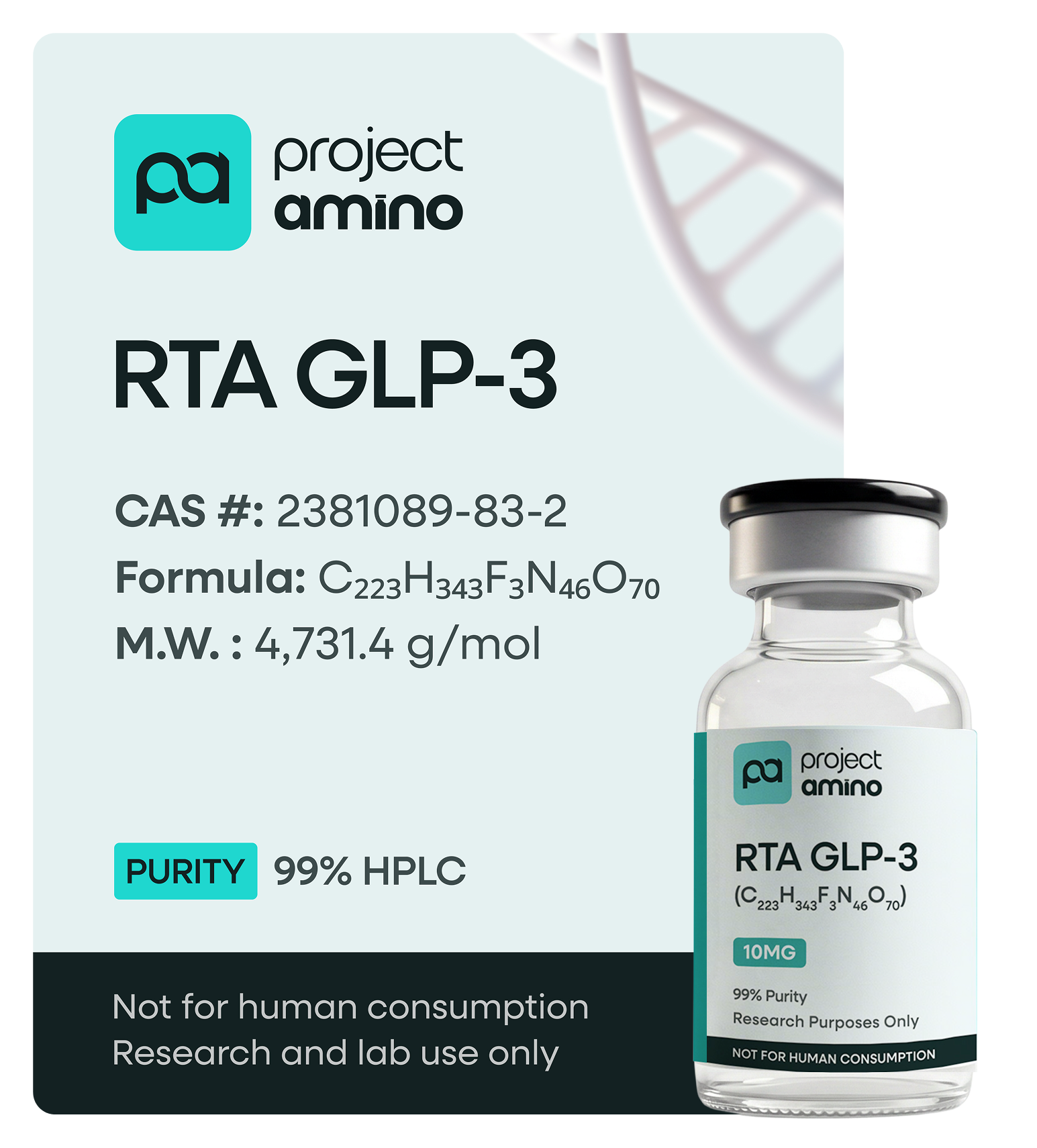
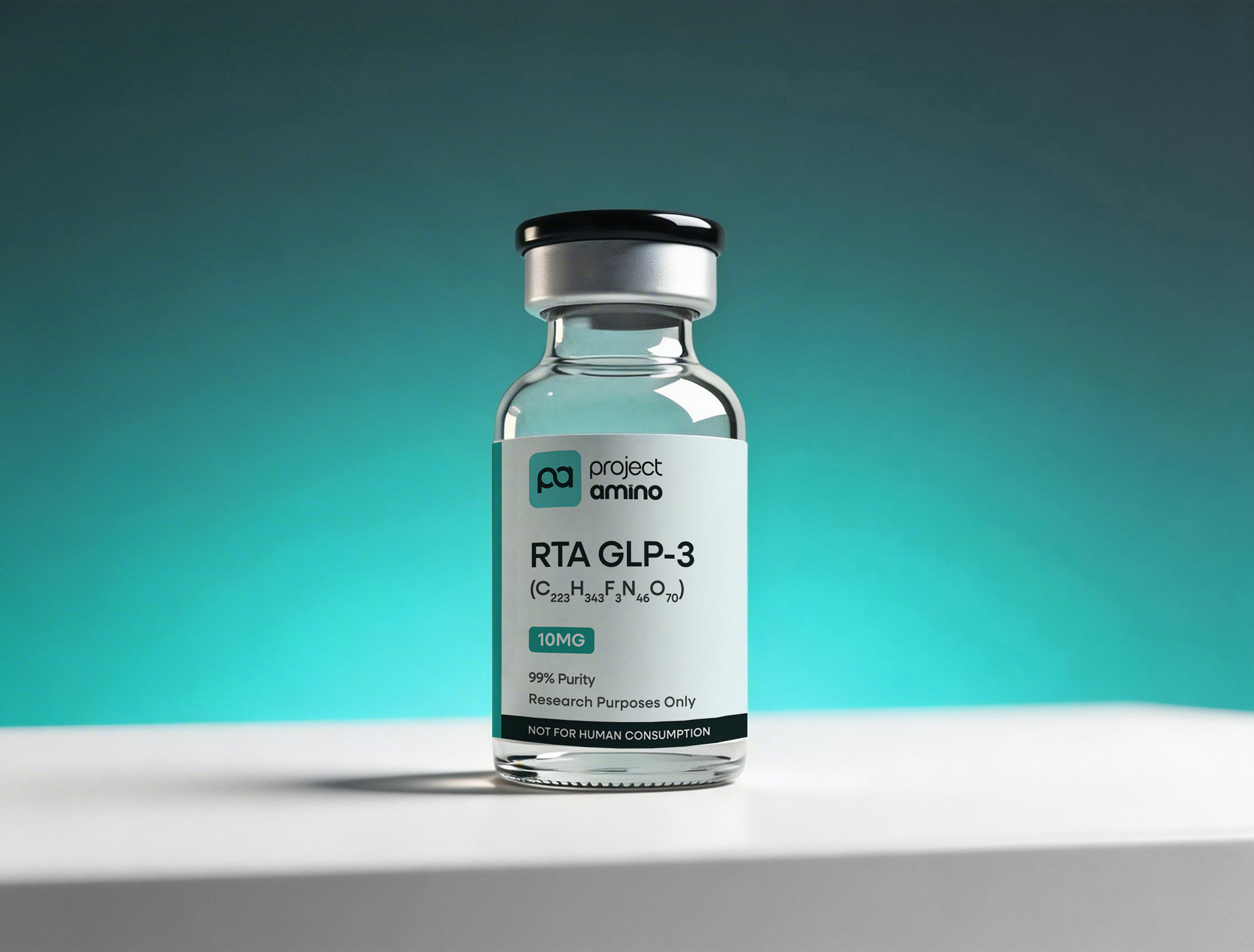
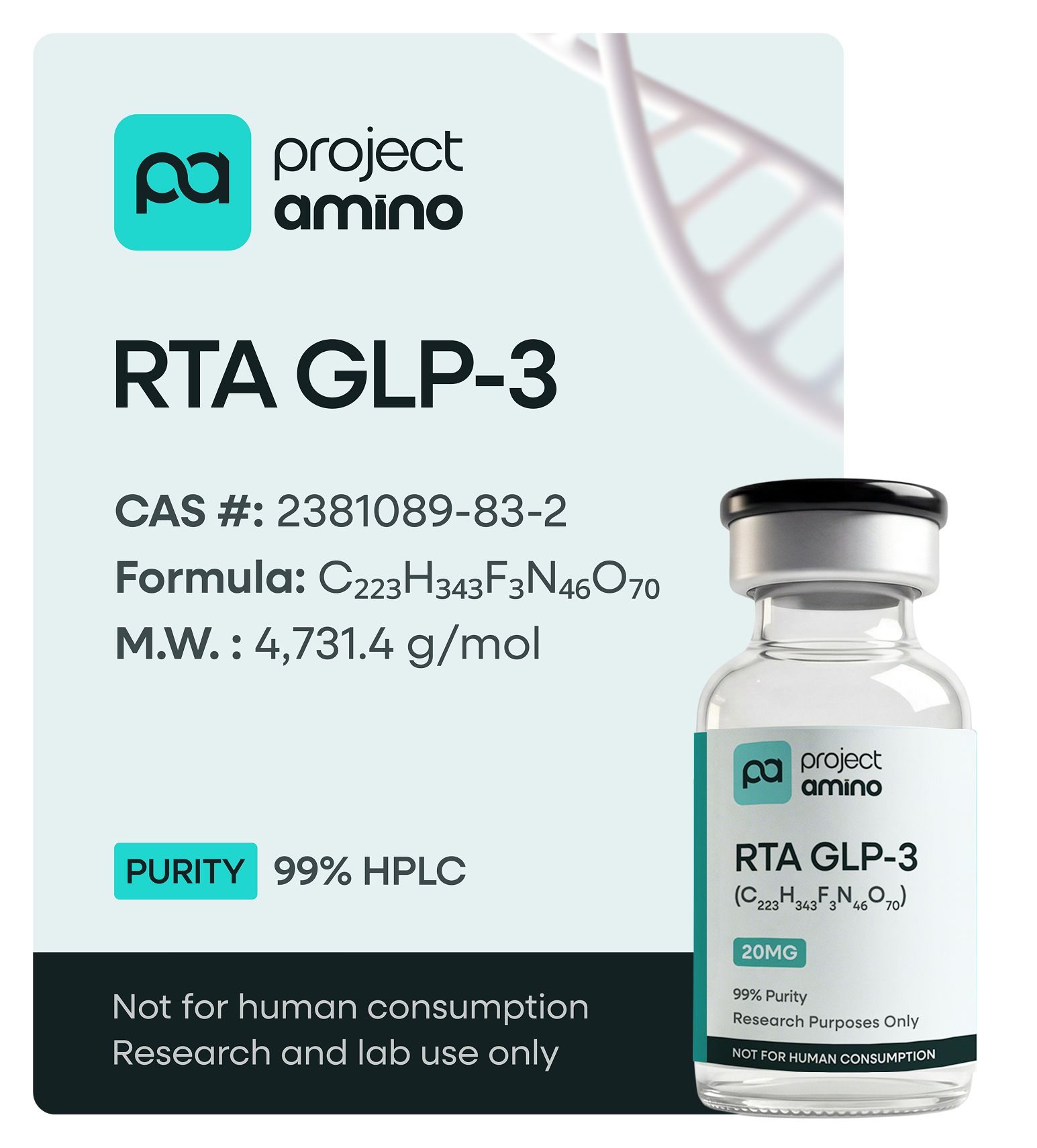
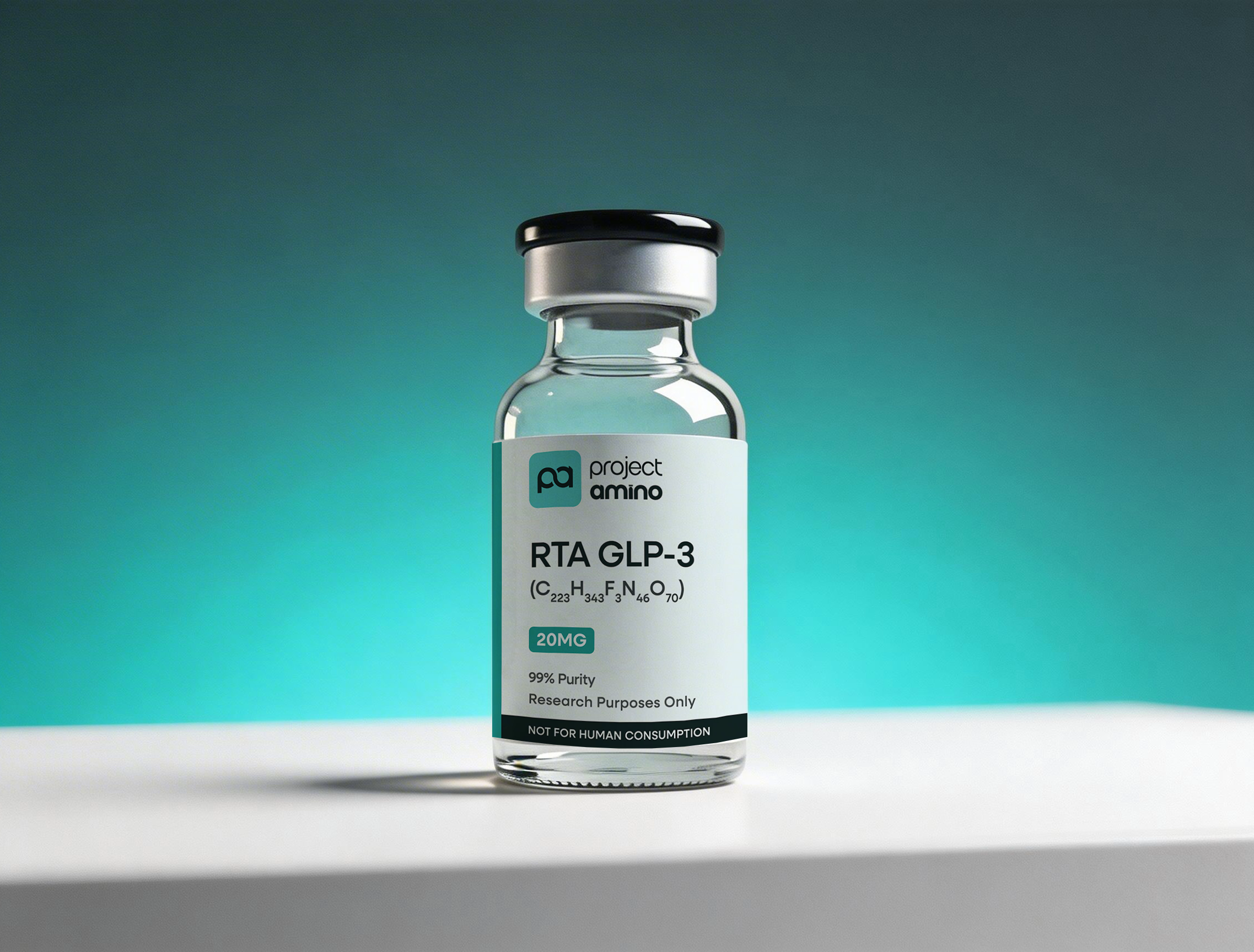
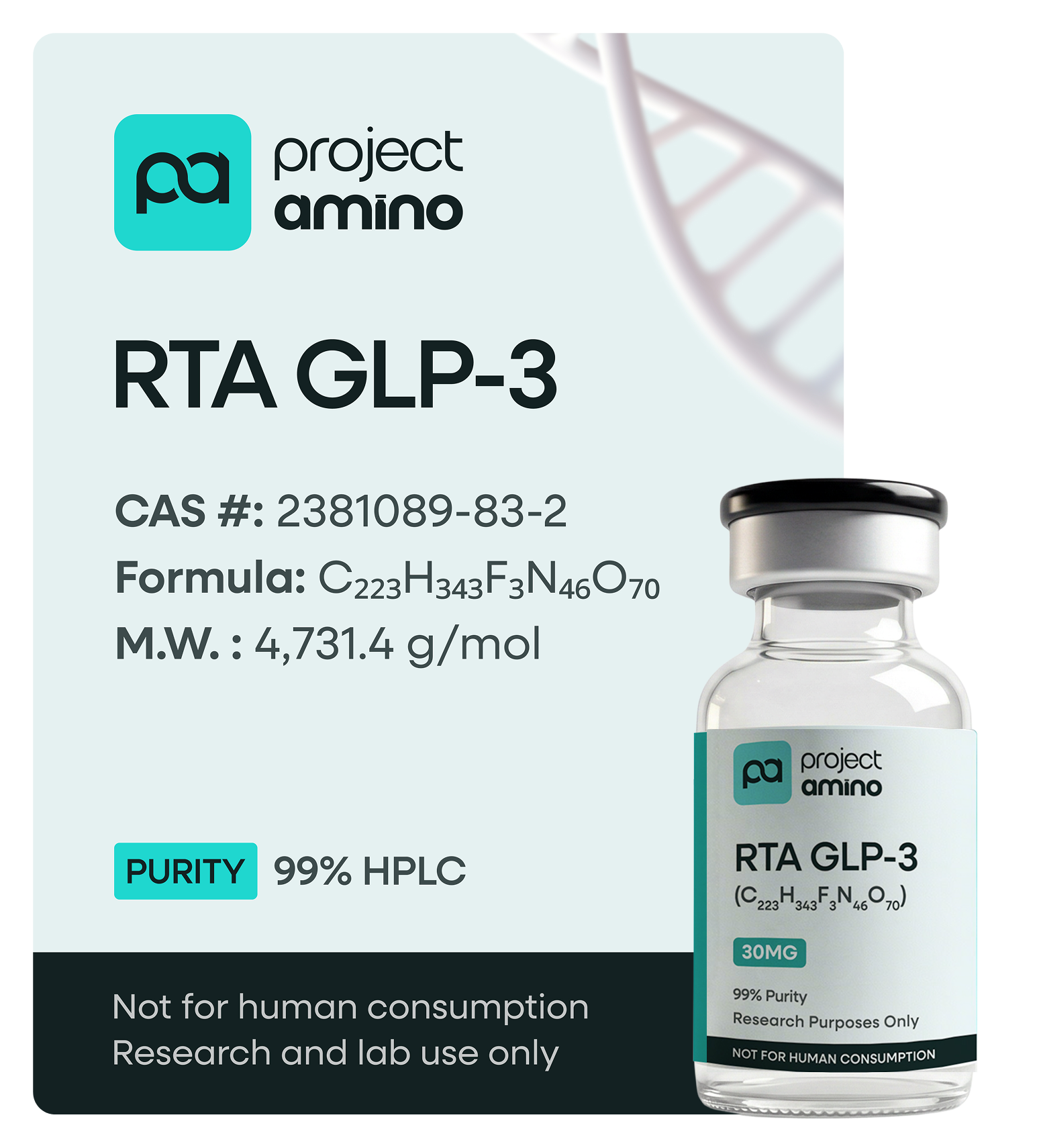
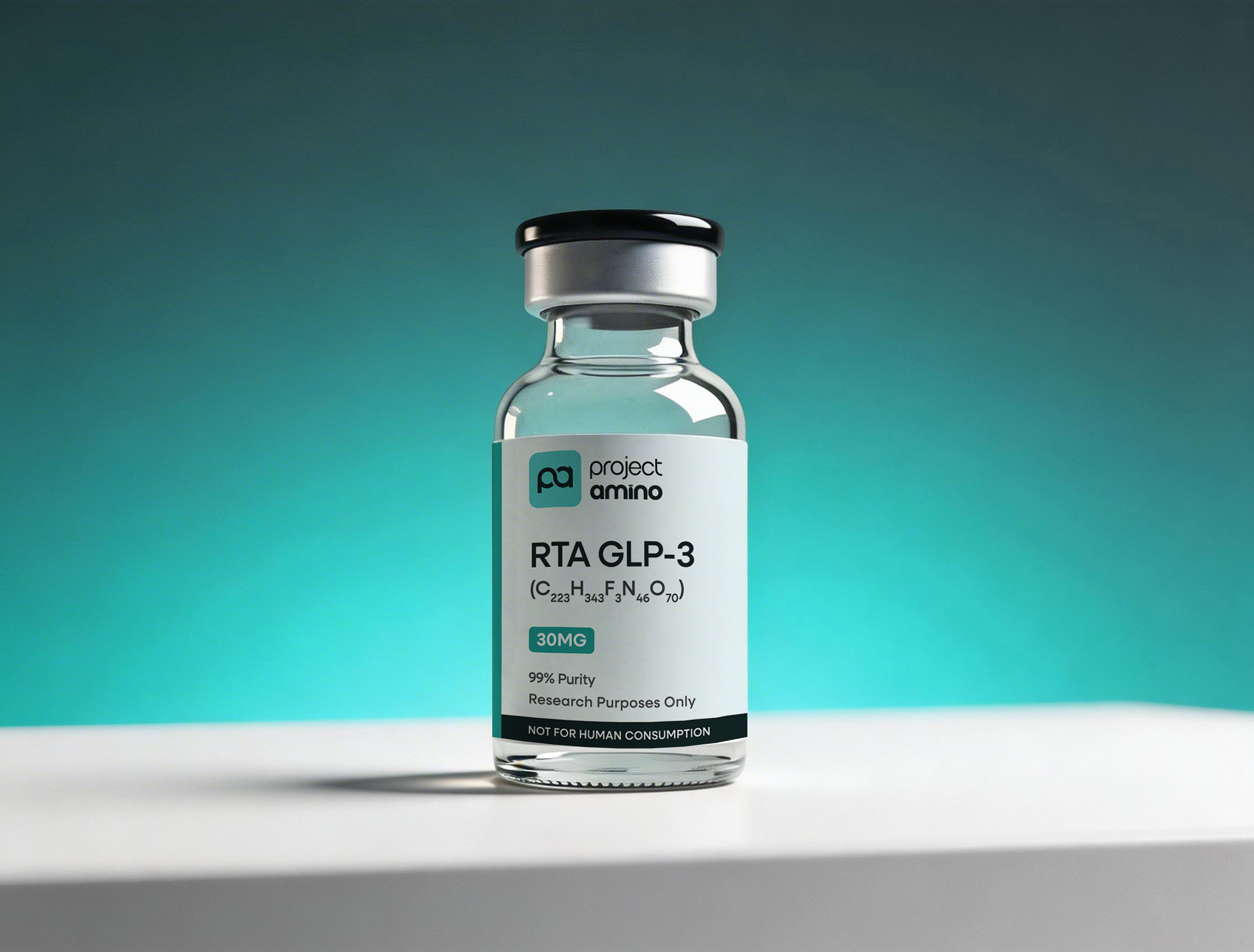
GLP-R is a synthetic peptide analogue of glucagon-like peptide-1 (GLP-1), designed to resist enzymatic degradation and enhance stability in experimental environments. It activates the GLP-1 receptor (GLP-1R), a G-protein-coupled receptor found in various tissues. This receptor activation leads to intracellular signaling pathways relevant to energy regulation and other biological processes. GLP-R is available in three quantities (10mg, 20mg, 30mg) to accommodate diverse research protocols. For research use only. Not for human consumption.
Free Shipping on orders over $200
GLP-R is a synthetic peptide analogue of glucagon-like peptide-1 (GLP-1), a 30-residue incretin hormone naturally secreted by intestinal L-cells in response to nutrient intake. Native GLP-1 has an extremely short half-life due to rapid degradation by dipeptidyl peptidase-4 (DPP-4), and GLP-1 receptor agonist analogues are engineered with structural modifications to confer resistance to enzymatic cleavage and extend circulating activity in experimental systems. GLP-R binds to and activates the GLP-1 receptor (GLP-1R), a class B G-protein-coupled receptor (GPCR) expressed on pancreatic beta cells, the central nervous system, cardiovascular tissue, and multiple peripheral organs. Receptor activation stimulates intracellular cAMP production and downstream PKA-dependent signaling, driving glucose-stimulated insulin secretion, glucagon suppression, and gastric motility regulation. In research settings, GLP-1R agonist peptides are widely used as molecular tools to study incretin biology, energy homeostasis, beta-cell function, and cardiometabolic signaling. This product is available in three quantities (10mg, 20mg, 30mg) to support flexible experimental dose-response protocols. For research use only. Not for human consumption.
These products are for research use only and are not intended for human consumption, therapeutic use, or diagnostic purposes. All compounds described herein have not been approved by the FDA for human use. These products are strictly intended for in vitro laboratory research and analytical purposes when conducted by qualified research professionals in licensed facilities. Users are responsible for ensuring compliance with all applicable laws regarding purchase and use of these materials.
These products are for research use only and are not intended for human consumption, therapeutic use, or diagnostic purposes. All compounds described herein have not been approved by the FDA for human use. These products are strictly intended for in vitro laboratory research and analytical purposes when conducted by qualified research professionals in licensed facilities. Users are responsible for ensuring compliance with all applicable laws regarding purchase and use of these materials.