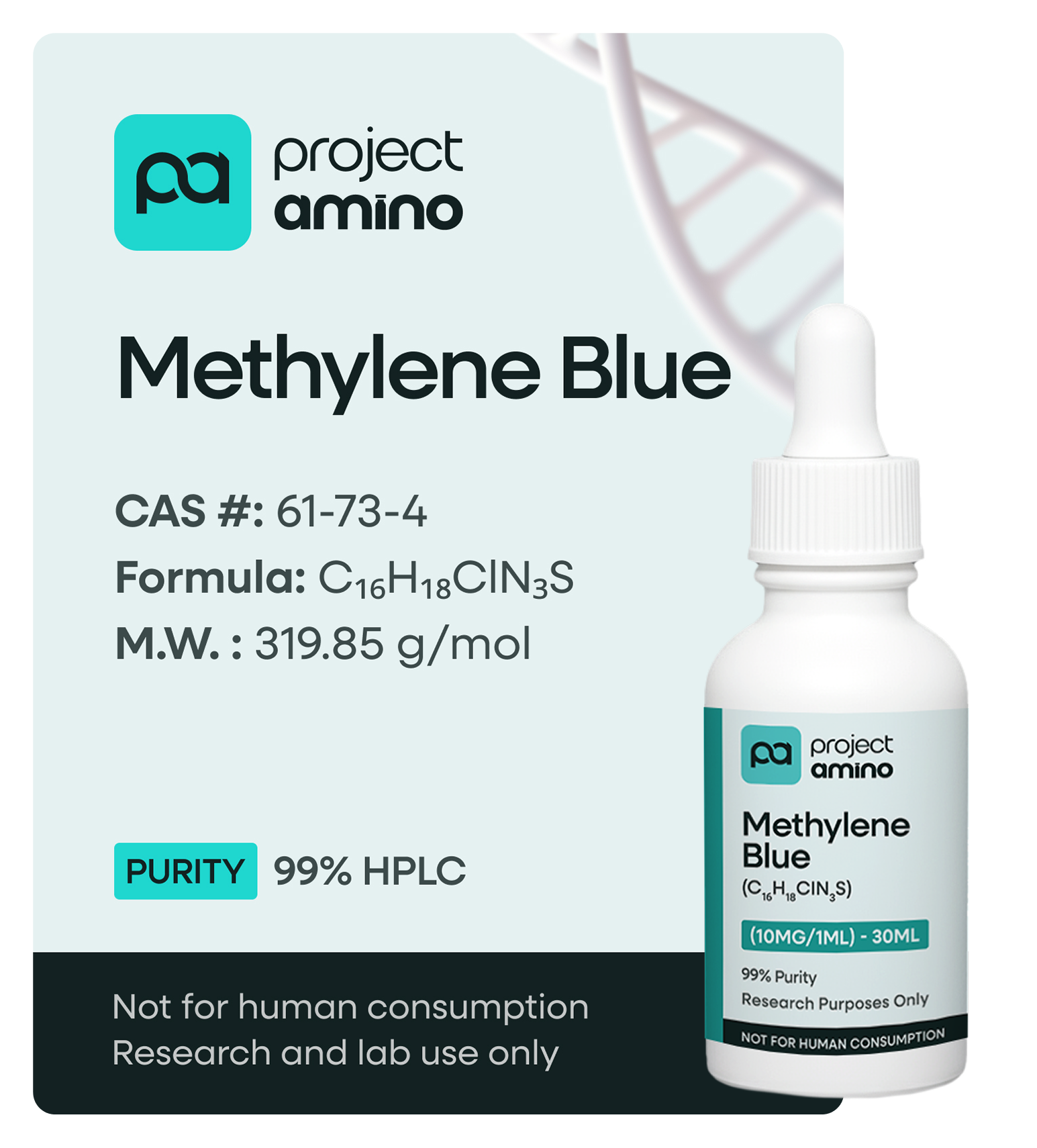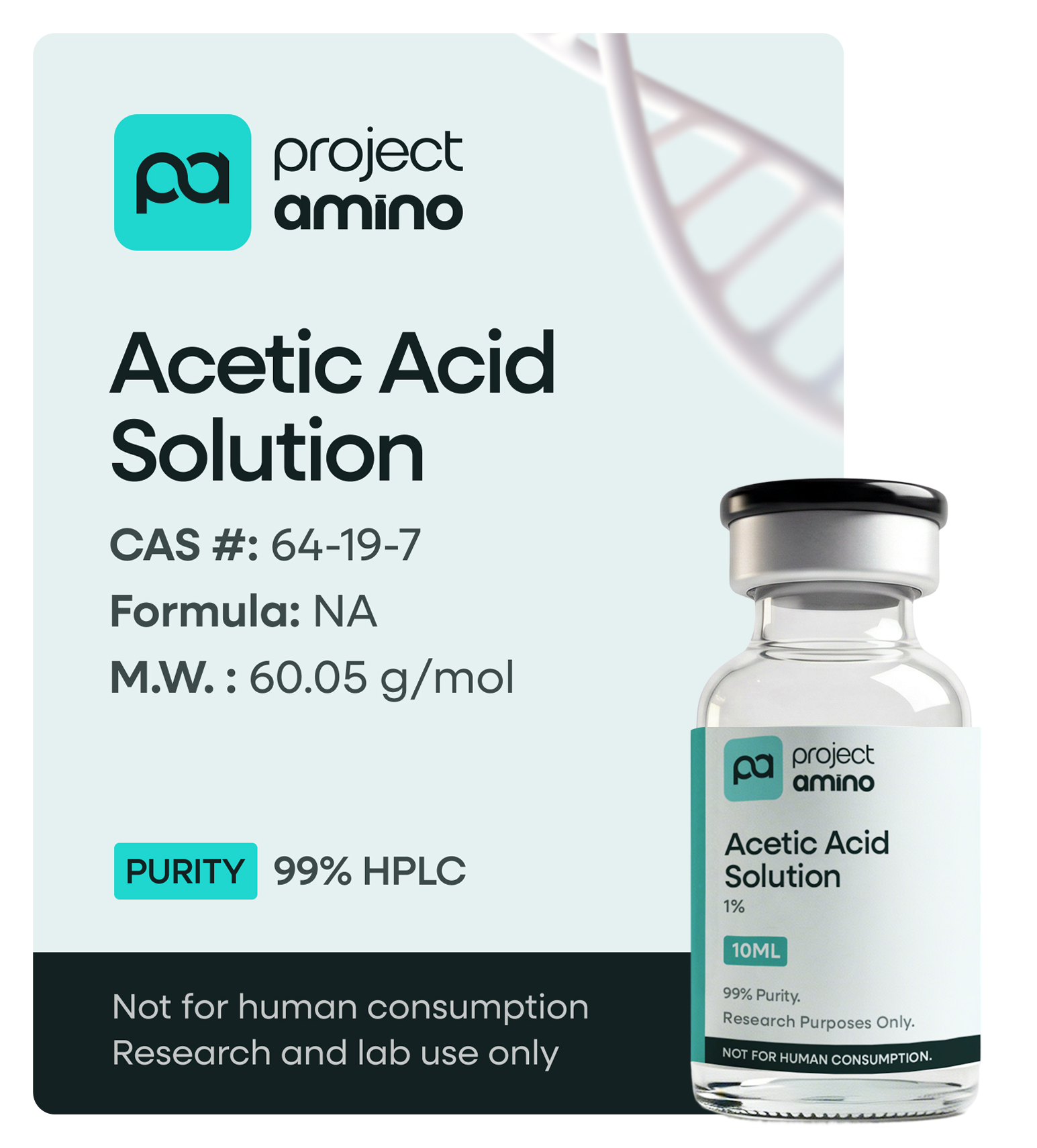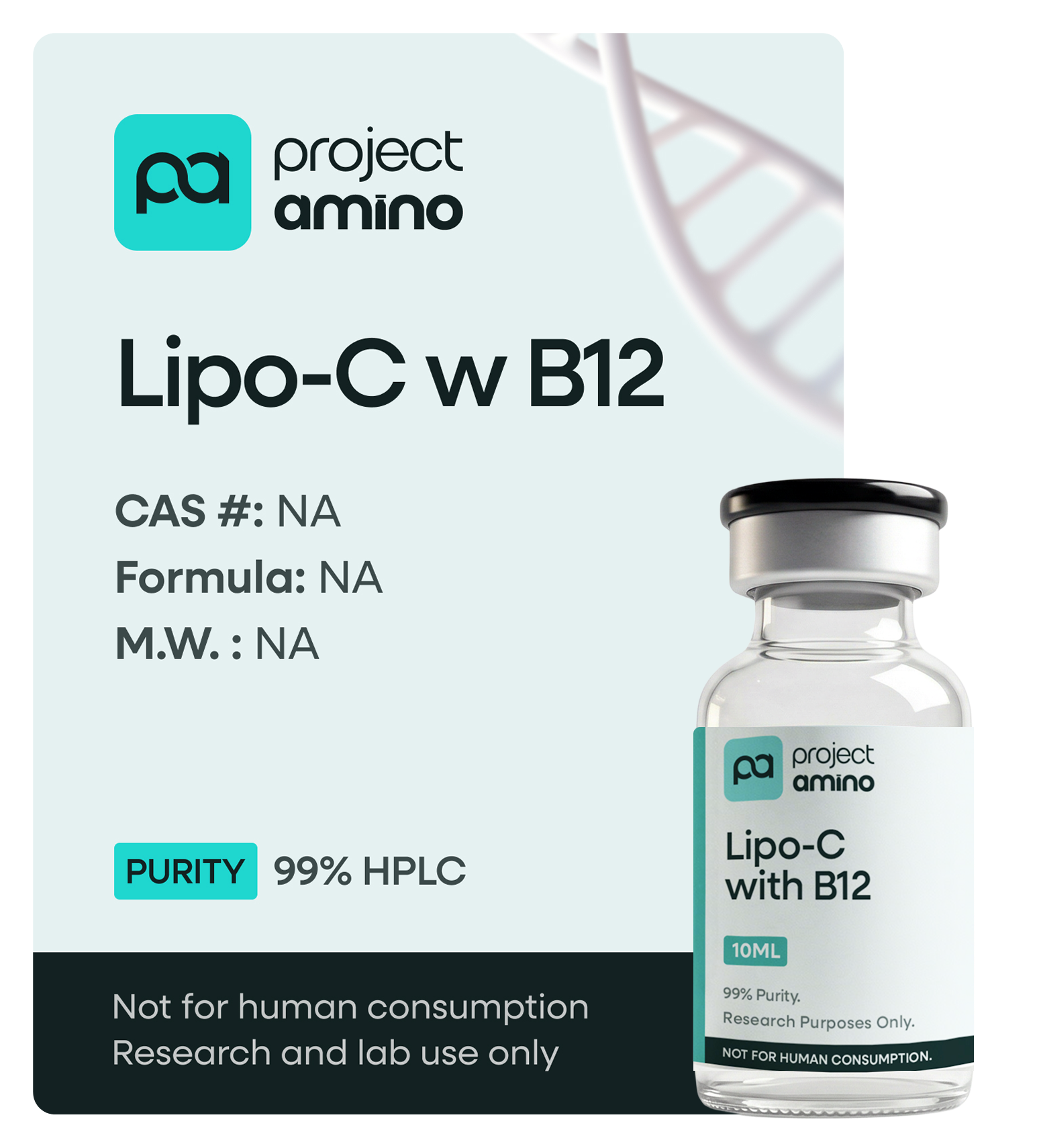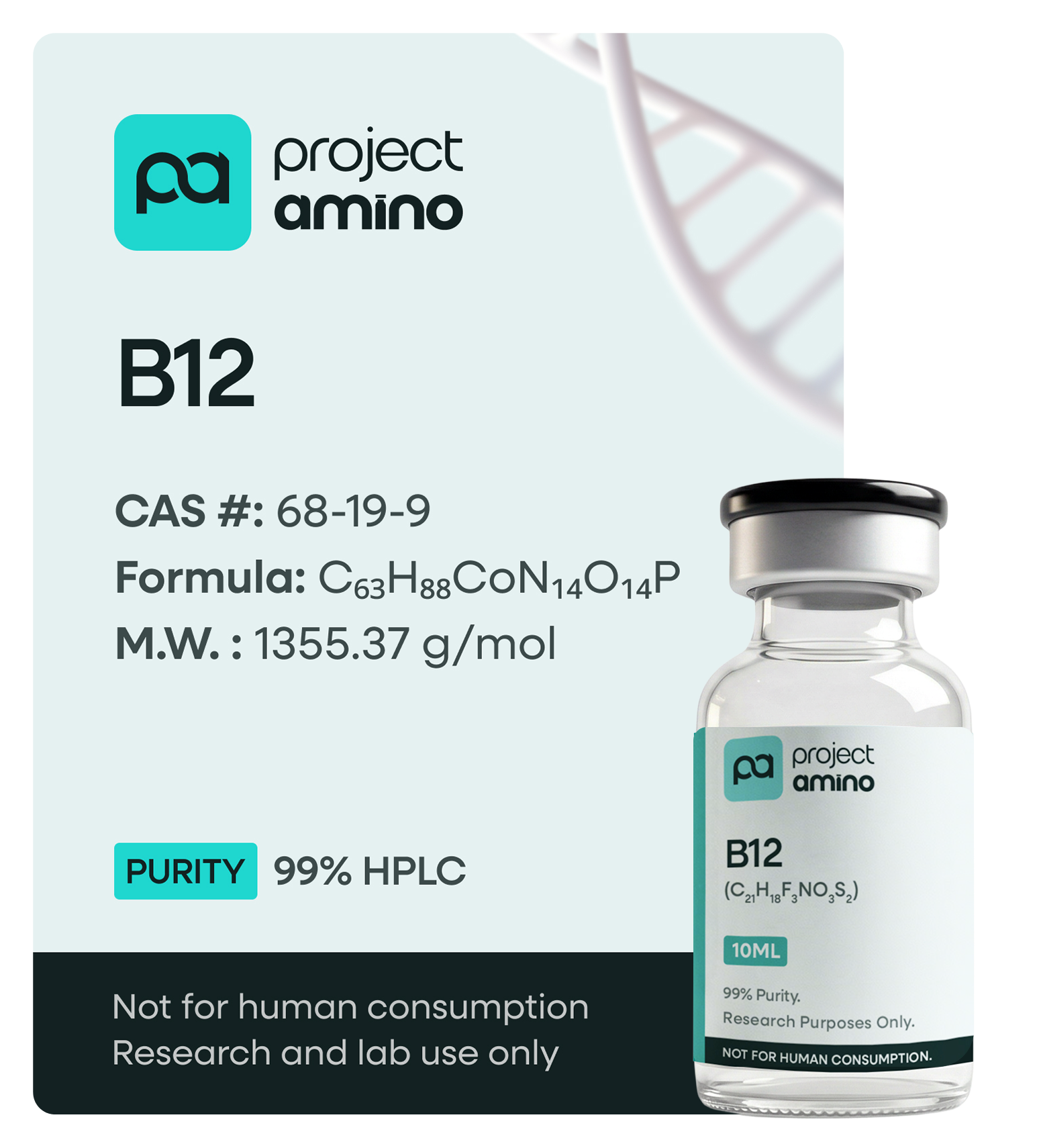


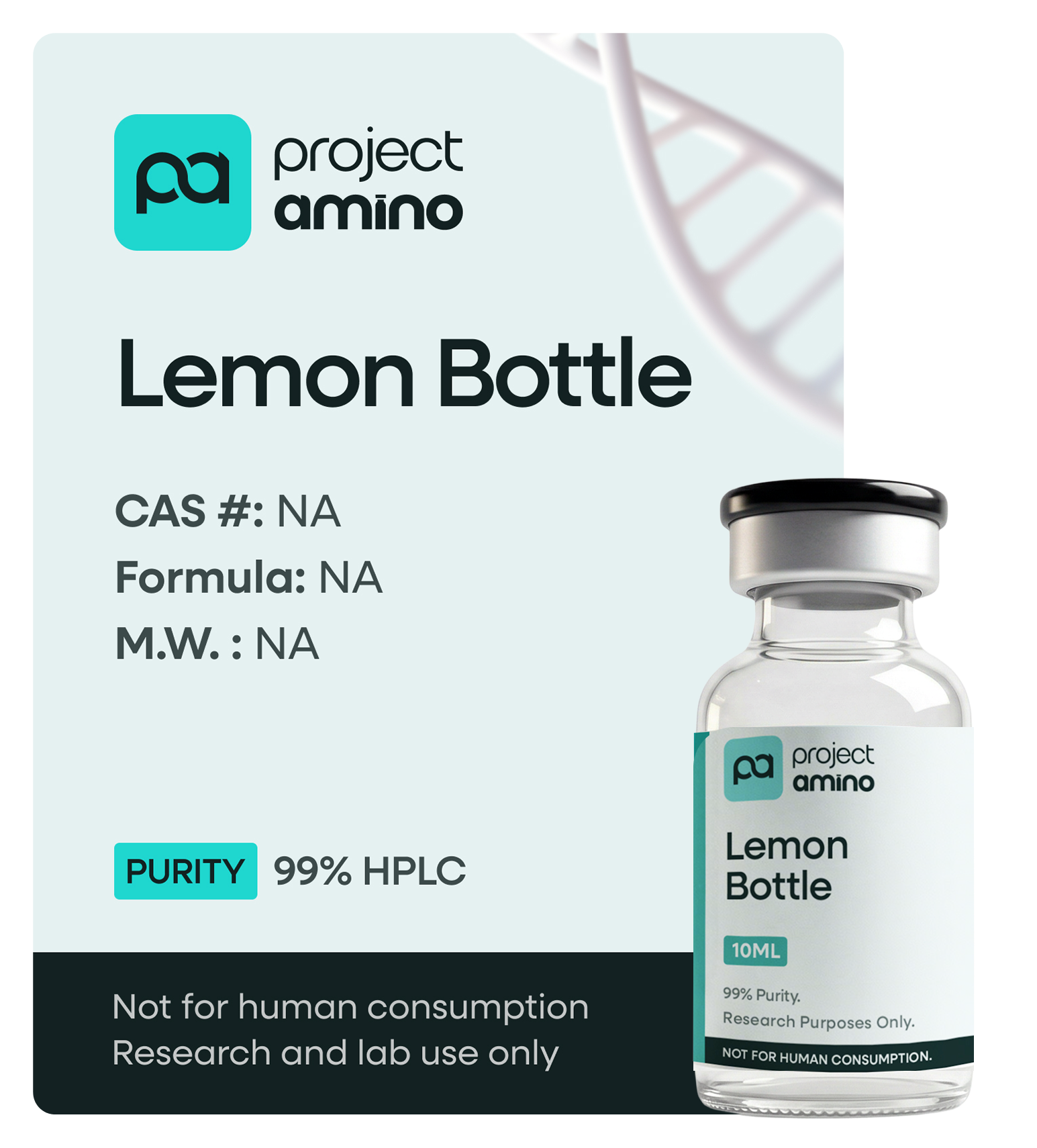
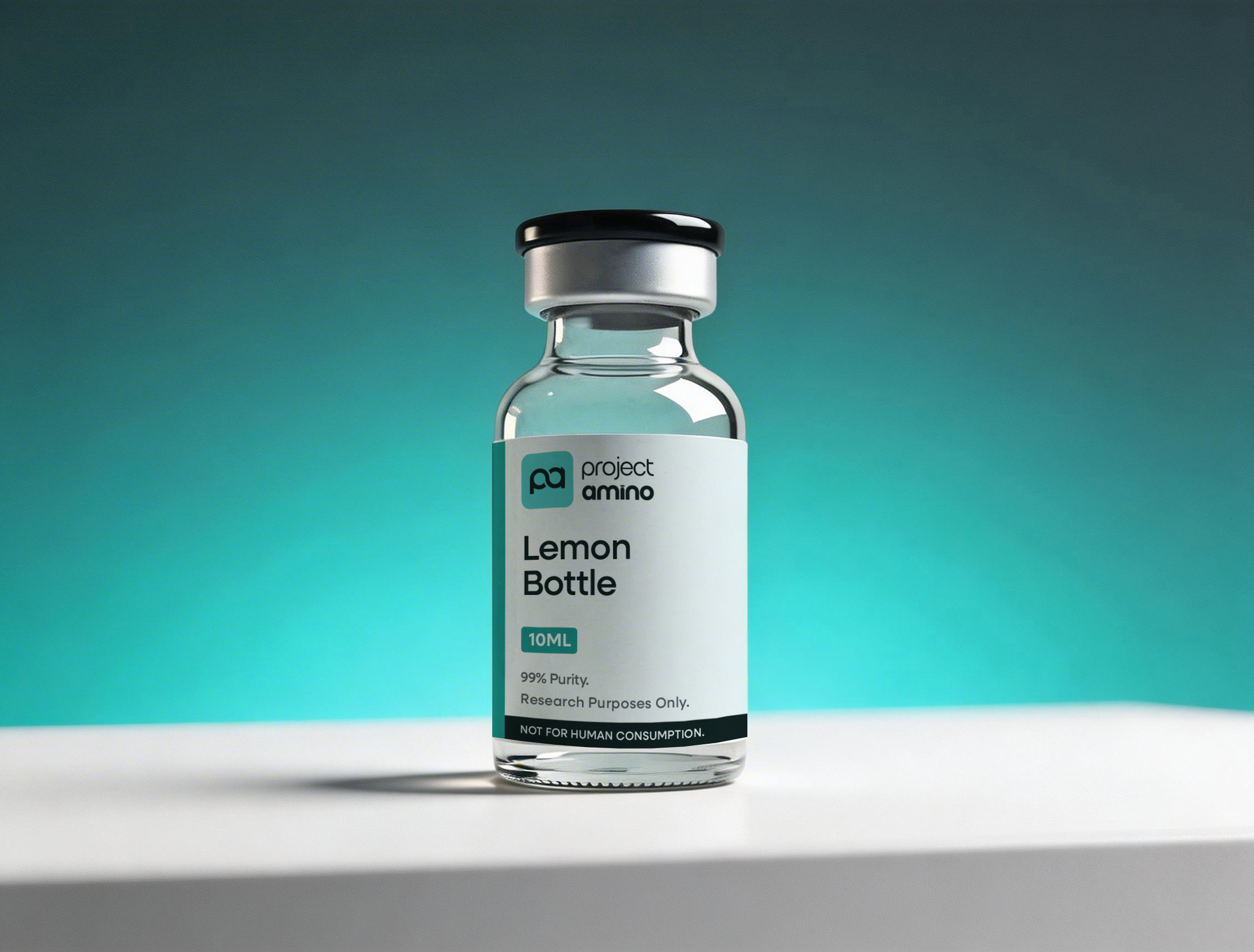
Lemon Bottle is a cutting-edge lipolytic research formulation, registered in Korea for in vitro fat reduction studies. This proprietary blend features three synergistic ingredients: Bromelain, Riboflavin (Vitamin B2), and Lecithin, designed to disrupt adipocyte membranes and enhance triglyceride hydrolysis in laboratory settings. Bromelain aids in cellular breakdown, Riboflavin accelerates fatty acid metabolism, and Lecithin serves as an emulsifier, supporting lipid transport. Supplied in a 10mL multi-use vial, it is ideal for ex vivo adipose tissue studies and cell culture research.
Free Shipping on orders over $200
Lemon Bottle is an advanced lipolytic research formulation developed and registered in Korea as a specialized solution for in vitro fat reduction research. The proprietary formulation contains three synergistic active ingredients: Bromelain, Riboflavin (Vitamin B2), and Lecithin, which work through complementary mechanisms to disrupt adipocyte cell membranes and facilitate triglyceride hydrolysis in laboratory settings. Bromelain is a protease enzyme derived from pineapple fruit extract that degrades proteins within fat cell walls, enabling cellular breakdown and mobilization. Riboflavin acts as a coenzyme in flavin-dependent oxidoreductase pathways, accelerating fatty acid beta-oxidation and cellular energy metabolism. Lecithin functions as a phospholipid emulsifier, disrupting lipid bilayer integrity and facilitating the transport and elimination of released fatty acids through natural metabolic pathways. The 10mL vial is supplied as a multi-use research solution specifically formulated for ex vivo adipose tissue studies and cell culture research investigating lipolytic mechanisms, adipocyte dysfunction, and metabolic disorder phenotypes.
These products are for research use only and are not intended for human consumption, therapeutic use, or diagnostic purposes. All compounds described herein have not been approved by the FDA for human use. These products are strictly intended for in vitro laboratory research and analytical purposes when conducted by qualified research professionals in licensed facilities. Users are responsible for ensuring compliance with all applicable laws regarding purchase and use of these materials.
These products are for research use only and are not intended for human consumption, therapeutic use, or diagnostic purposes. All compounds described herein have not been approved by the FDA for human use. These products are strictly intended for in vitro laboratory research and analytical purposes when conducted by qualified research professionals in licensed facilities. Users are responsible for ensuring compliance with all applicable laws regarding purchase and use of these materials.